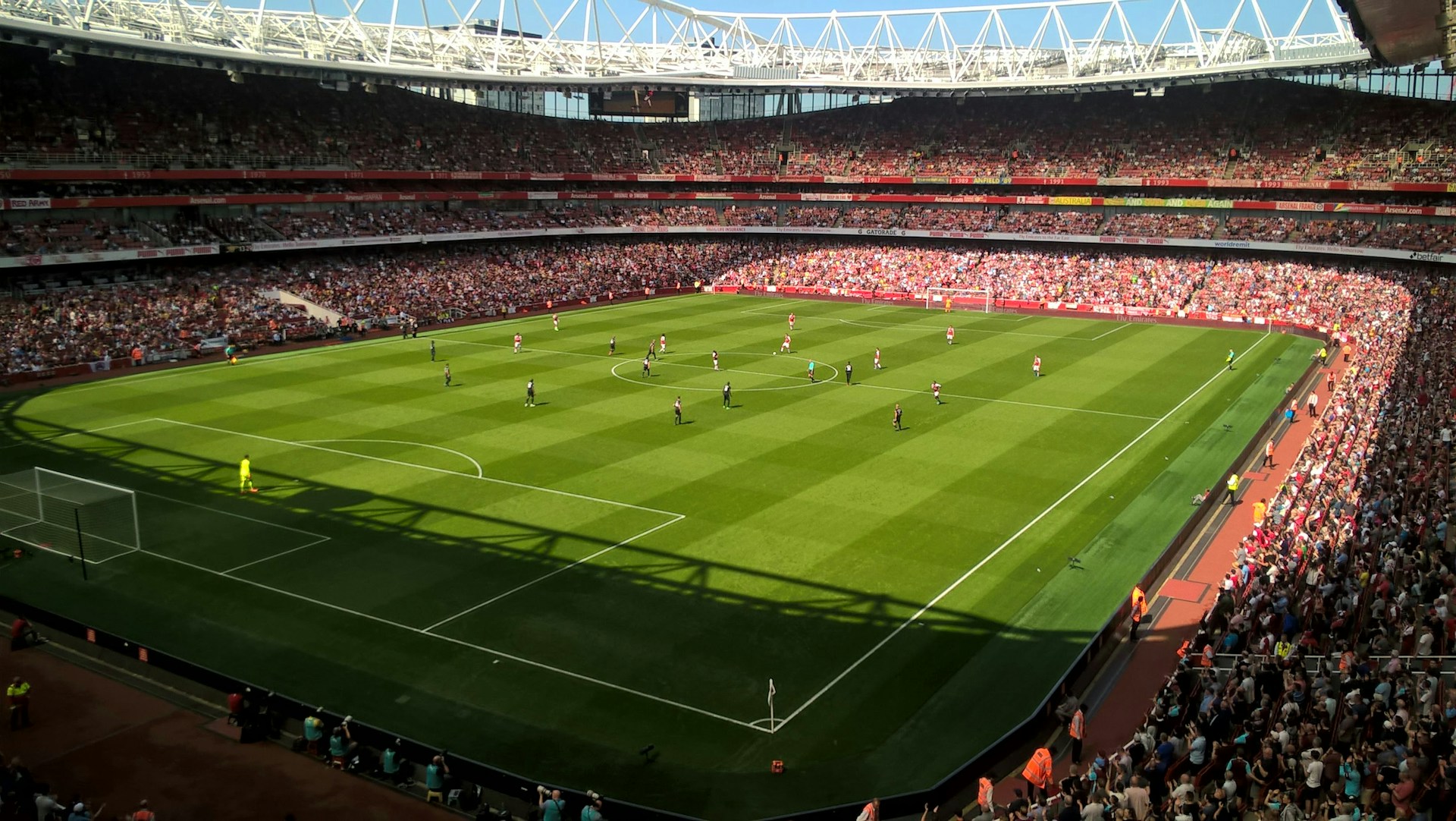
The days of Birmingham City calling St Andrew’s home appear to be numbered, marking the end of an era for the Blues despite a recent summer transformation. Although Knighthead have injected approximately £15 million into upgrading the club’s current facilities, the bulk of that investment is seen as a short-term fix. St Andrew’s remains the priority for the immediate future, but the club’s long-term destiny lies just down the road at the 48-acre site formerly occupied by Birmingham Wheels.
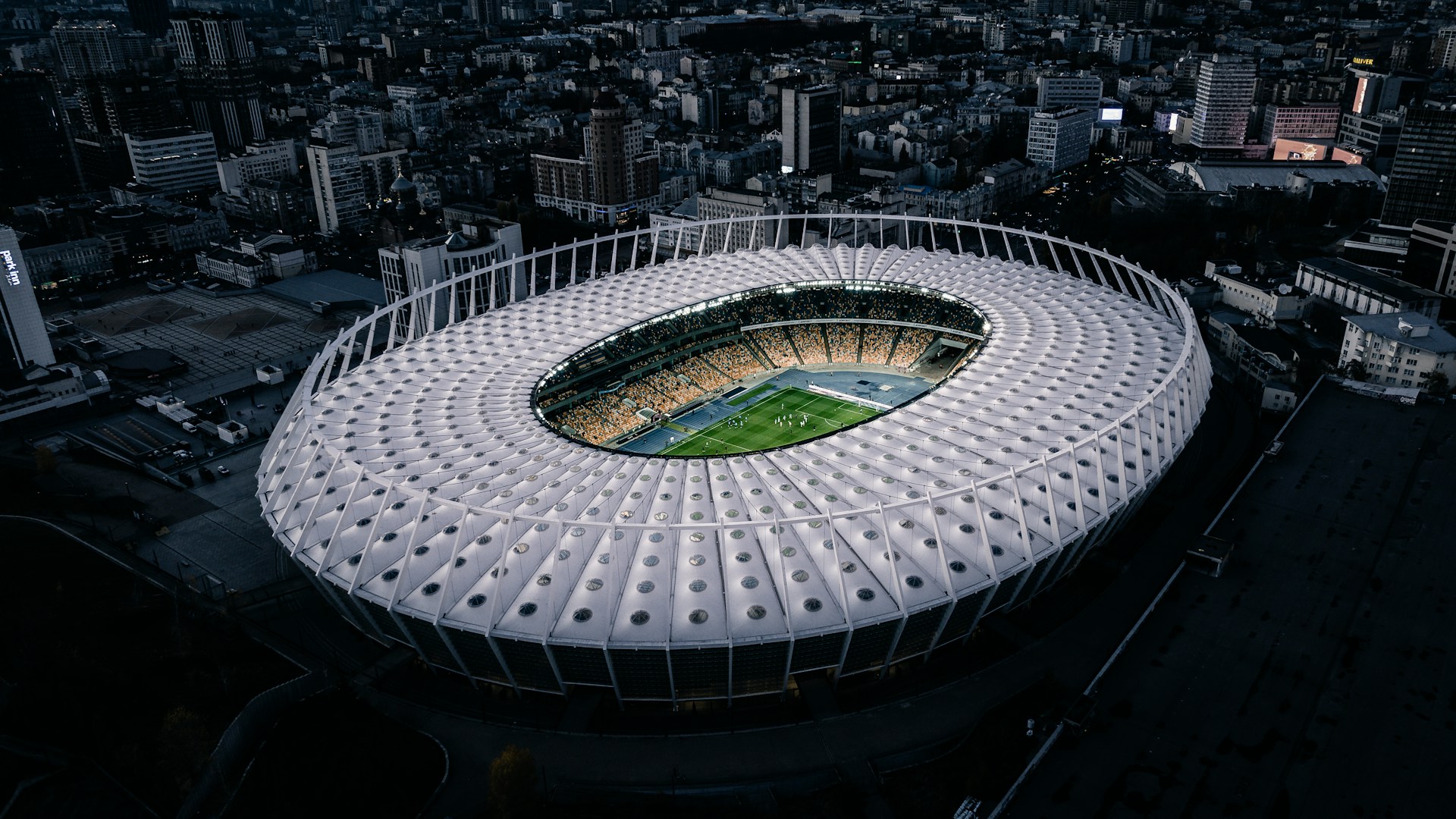
Planning is already well underway for a state-of-the-art stadium with a potential capacity of 60,000, designed to meet the rigours of Premier League football—a level the club is striving to return to despite their current League One status. Whilst Chairman Tom Wagner offered supporters a tantalising glimpse of the project at an Open House event earlier this year, the official plans have largely been kept under wraps. This secrecy has done little to dampen enthusiasm, with AI platform Midjourney and Chat GPT recently generating concept art for OLBG that envisions a “Wembley of the Midlands,” complete with a partly retractable roof and sustainable features such as solar panels and energy-efficient lighting.
A Sports Quarter Revolution
The proposed development is not merely a venue for ninety minutes of football; it is envisioned as a comprehensive “Sports Quarter.” This campus is set to house training facilities for both men’s and women’s teams, an academy, and a commercial hub featuring offices, entertainment venues, and restaurants. Tom Wagner has been vocal about his ambition to create a site that remains active 365 days a year, citing Tottenham Hotspur’s stadium as a financial benchmark.
“Restaurants, pubs, mini golf… All those types of venues will be incorporated,” Wagner explained, highlighting the revenue potential. “That revenue from every one of those things is going into your football club. Look at Tottenham and how much money that stadium is making. If you think that stadium is generating a lot of money, wait until you see what we’re going to build.” With the capacity for concerts—demonstrated by a recent UB40 performance after the Preston match—the site aims to be a commercial juggernaut.
Rebellion in the West Curve
While Birmingham’s hierarchy looks to the future with American-style commercial ambition, the mood in Germany is strikingly different. At the Grünwalder Stadion, supporters of TSV 1860 Munich are engaged in a fierce battle to preserve their heritage against the perceived threat of empty promises. Before a recent match against Alemannia Aachen, the “Lions” fans sent a stark message to Mayor Dieter Reiter and the City of Munich, demanding concrete action regarding their historic ground.
As the teams took to the pitch, the West Curve unveiled a series of banners that left little room for interpretation. Slogans such as “Action finally, not empty promises,” “New Deal in Giesing,” and “The Sechzger has been our home since 1911” were prominently displayed. The target of this frustration is Mayor Reiter, who has frequently spoken of positive dialogues regarding the stadium’s expansion and the club’s long-term future in Giesing. However, with the spectre of the March 2026 local elections looming, the faithful are sceptical, fearing these assurances are little more than electioneering.
Politics and the Soul of the Club
The supporters have tabled a concrete proposal: a hereditary lease model (Erbpacht) to secure the ground’s future. The sentiment was underscored by a modification to the usual signage in the stadium; where it normally reads “Sechzig Munich – My Club for All Time,” the banner against Aachen pointedly stated, “Sechzig Munich – Only Exists in Giesing.”
This stance is backed by club President Gernot Mang, who advocates for a sensible, economically viable modernisation. Crucially, Mang’s vision stands in direct contrast to the multi-purpose commercial hubs being built elsewhere in Europe. “Grünwalder Stadion, 25,000 seats, economically viable, modernised—a stadium, not an event arena,” Mang told the Merkur, drawing a line in the sand. For Munich, unlike Birmingham, the goal is not to build a commercial empire, but to ensure their spiritual home remains exactly that.